


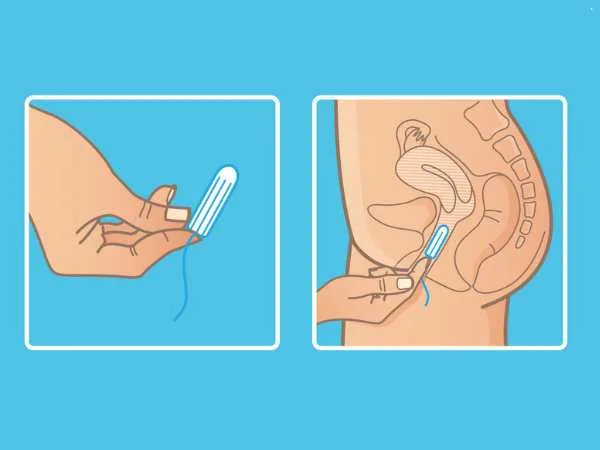

Learning how to stick a tampon in can feel awkward, stressful, and honestly a bit scary at first. Most people don’t grow up seeing real examples. Instructions on the box feel too short. Friends explain it fast. Videos feel unrealistic. Then there’s your body, which doesn’t come with arrows or labels.
I remember standing in the bathroom, tampon in hand, thinking, why does everyone say this is easy. If that sounds familiar, you’re not alone. This guide walks through tampon use slowly, clearly, and without rushing you. It covers first-time use, applicator and non-applicator tampons, standing positions, and what it actually feels like in real life.
No judgment. No pressure. Just practical steps.
What a Tampon Actually Does Inside the Body
A tampon is designed to absorb menstrual flow inside the vagina before it exits the body. It does not block anything. It does not go into the uterus. It sits comfortably in the vaginal canal when placed correctly.
The vagina is flexible and angled slightly upward toward your lower back. Many beginners try pushing straight up, which causes discomfort. Understanding the angle helps everything feel easier.
Basic facts to know:
- The tampon sits inside the vagina
- It should not cause pain once placed
- You should barely feel it afterward
- The string stays outside for removal
Knowing this reduces fear before you start.
When Is the Right Time to Try a Tampon
Timing matters more than people admit. Trying a tampon when your flow is very light can feel uncomfortable. Dryness causes friction. That friction leads to pain.
Best time to try:
- Medium flow day
- When you feel relaxed
- When you have privacy
You don’t need to rush. Waiting one more cycle is fine.
How to Stick a Tampon In for Beginners: Start With the Right Type
Beginners often struggle due to tampon choice, not technique. Starting with the smallest size helps the body adjust.
Good beginner options:
- Light or regular absorbency
- Slim shape
- Plastic applicator or no applicator, based on comfort
Avoid super or heavy sizes at first.
also read : – Alpha Wolves: Myth, Meaning, and the Truth Behind the Theory
How to Stick a Tampon In for the First Time: Mental Prep Matters
Tension tightens muscles. Tight muscles make insertion harder. Taking a breath before starting changes the experience more than you expect.
Helpful mental steps:
- Remind yourself the opening stretches naturally
- Take slow breaths
- Go at your own pace
There is no correct speed. Slow often works better.
Finding the Vaginal Opening Without Stress
This step causes the most confusion. The opening is lower than many expect. It sits below the urethra, not above it.
Helpful tips:
- Use a mirror the first time
- Wash hands first
- Relax your shoulders and jaw
Relaxed muscles make locating easier.
also read : – Things You Should Know About Vasectomy
How to Put a Tampon In With a Plastic Applicator
Plastic applicators glide more smoothly, which many beginners prefer. The applicator holds the tampon inside and helps guide it.
Step-by-step:
- Hold the applicator at the grip area
- Place the tip at the vaginal opening
- Aim slightly toward your lower back
- Gently slide it in until fingers touch skin
- Push the inner tube fully
- Remove the applicator
If done right, you won’t feel the tampon afterward.
What It Feels Like When the Applicator Is at the Right Depth
This is important. If the applicator is not far enough in, the tampon sits too low and causes discomfort.
Correct placement feels:
- Neutral, not painful
- Slight pressure, not burning
- Smooth, not forced
If it hurts, stop. Adjust angle or depth.
How to Put In a Tampon Without an Applicator
Some tampons come without applicators. These require finger placement, which sounds scarier than it is.
Steps:
- Hold tampon with clean fingers
- Place rounded end at opening
- Use index finger to push it in
- Aim back, not up
- Push until finger reaches knuckle
The tampon should sit fully inside.
How to Stick a Tampon In Standing Up
Some people prefer standing. Others hate it. Both are normal.
Standing positions include:
- One leg on toilet seat
- One leg on bathtub edge
- Slight squat
Standing can help align the canal naturally for some bodies.
How to Put a Tampon In for the First Time Standing Up
Standing works best when muscles feel loose. Locking knees or tensing thighs can make insertion harder.
Helpful adjustments:
- Keep knees soft
- Lean slightly forward
- Breathe out during insertion
If standing doesn’t work, switch positions.
Other Positions That Might Feel Easier
There’s no universal best position. Bodies differ.
Common options:
- Sitting on toilet
- Squatting slightly
- Lying on back with knees bent
Trying different positions is normal.
How to Put a Tampon In: Real Life Example
Here’s what a real experience often looks like.
You wash your hands. You unwrap the tampon. You take a breath. The first try feels awkward. You adjust the angle. It slides in halfway. You pause. You breathe. You push a bit more. Suddenly, it’s in. You stand up. You don’t feel it.
That moment of relief is common.
How to Know the Tampon Is In Correctly
A correctly placed tampon feels like nothing.
Signs it’s placed right:
- No poking sensation
- No pain when walking
- String hangs freely
- You forget it’s there
If you feel it, it’s likely too low.
What to Do If It Hurts
Pain is a signal to stop.
Steps to take:
- Remove the tampon
- Switch to smaller size
- Wait for heavier flow
- Try a different angle
Pain does not mean failure.
Removing a Tampon That Feels Uncomfortable
Removal should feel smooth.
Tips:
- Relax muscles
- Pull string slowly
- Angle slightly forward
If it feels dry, wait a bit.
also read : – Top Ten Inventions in India: Know The Best Inventions of India Here
How Long You Can Wear a Tampon Safely
Tampons should be changed regularly.
General guidance:
- Change every 4 to 8 hours
- Avoid overnight use longer than 8 hours
- Use lowest effective absorbency
Regular changes keep things safe.
Common Beginner Mistakes
Most mistakes happen once. Then you learn.
Common issues include:
- Pushing straight up
- Using too large a size
- Inserting when flow is very light
- Not pushing it in far enough
All are fixable.
Tampons and Movement: Walking, Sitting, Sports
A correctly placed tampon stays put.
You can:
- Walk normally
- Sit comfortably
- Exercise
- Swim
If it slips, placement needs adjustment.
Emotional Side of First-Time Tampon Use
Many feel nervous, embarrassed, or frustrated. That’s normal. There’s no prize for mastering it fast.
What helps:
- Patience
- Practice across cycles
- Self-talk that stays kind
Comfort builds with time.
Tampons and Body Myths
Tampons do not:
- Get lost inside
- Take virginity
- Stretch the body permanently
These myths cause unnecessary fear.
When to Avoid Using a Tampon
Tampons aren’t required.
Avoid if:
- Flow is extremely light
- You feel ill
- You prefer other products
Choice matters.
Alternatives If Tampons Don’t Feel Right
Tampons aren’t for everyone.
Options include:
- Pads
- Period underwear
- Menstrual cups
Comfort matters more than trends.
FAQs
How to stick a tampon in for beginners
Start with a small size, relax, and aim toward the lower back.
How to put in a tampon without an applicator
Use clean fingers and push it gently inside until comfortable.
How to stick a tampon in for the first time
Try during medium flow and take your time.
How to put a tampon in standing up
Use one leg raised and keep muscles relaxed.
How to put a tampon in real life example
It often takes a few tries before it feels natural.
Final Words
Learning how to stick a tampon in isn’t about skill. It’s about comfort, patience, and understanding your body. The first time might feel clumsy. The second feels better. Soon, it becomes routine.
There’s no rush. No standard timeline. Your body sets the pace. Take your time. Trust yourself.