


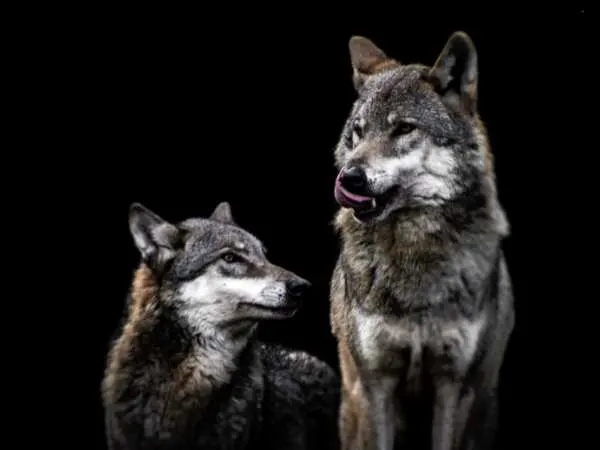

If you grew up on wildlife documentaries, fantasy novels, or late-night YouTube rabbit holes about wolf packs, you probably heard this idea that every pack has one dominant ruler — the Alpha Wolf. You know… the huge, fearless leader standing tall while everyone else submits. But, well, here’s the curveball: that old “alpha wolf” concept isn’t actually accurate in the real world.
Funny how one scientific misunderstanding became the backbone of movies, books, TikTok edits, fanfiction, and even human self-help books about “becoming an alpha.”
So today, let’s slow down and actually break it all apart — the myths, the real science, the symbolism, and where the whole idea even came from. And yes, we’ll talk about the band, the psychology interpretations, and why the alpha wolf theory was completely debunked.
Why People Love the Concept of the Alpha Wolf
Look, there’s just something magnetic about the idea. Humans love hierarchy stories — kings, queens, leaders, lone warriors. Wolves, with their sharp eyes and pack coordination, feel like natural metaphors for strength.
No wonder “alpha wolf meaning” blew up everywhere:
- Motivational speeches
- Gym culture and hustle memes
- Books about leadership
- Even relationship advice (some of it… questionable 😅)
But when you move past the fantasy, the actual biology paints a much softer, smarter, family-based picture.
also read : – What Does ICL Mean on Snapchat, WhatsApp, TikTok?
Are Alpha Wolves Real? (The Short Answer: Nope — Not in the Wild)
Let’s clear the biggest misconception right away.
✔ The “Alpha Wolf” idea originally came from captive wolf studies.
Wolves forced into enclosures behave like stressed roommates who never chose each other. That artificial pecking order looked like dominance — so researchers labeled top wolves “alphas.”
✔ In the wild, wolf packs are just families.
A “pack leader” is simply… a parent.
The father wolf + mother wolf = leaders.
The younger wolves = kids.
That’s it. No dramatic Game-of-Thrones power struggles.
✔ The scientist who coined “Alpha Wolf” later debunked himself
L. David Mech, the researcher whose 1970 study made “alpha wolf” famous, spent decades insisting the term should be retired. Wolves aren’t battling for supremacy — they’re raising pups.
He even said calling wolves “alpha” is like calling your dad “the alpha male of the household.” Technically not wrong, but weird.
So, Are Alpha Wolves Male or Female?
Here’s where it gets interesting — and honestly more adorable.
In a natural family pack:
- The male parent leads in protection and territory.
- The female parent leads in hunting strategy and pup care.
So technically, both parents are co-leaders, not competitors.
This means there is a male alpha and a female alpha, but the term “alpha” isn’t used by scientists anymore. It’s simply mom and dad wolf running their family like, well, every family.
also read : – Wordle Alternatives: 10 Fun Games to Try When You Want a New Puzzle Fix
Alpha Wolves in Mythology: A Whole Different Story
Now mythology? That’s where the alpha wolf thrives.
Across cultures, wolves show up as symbols of:
- Power
- Guardianship
- Mystery
- Rebirth
- Loyalty
- And even chaos
Here are a few standout examples:
Norse Mythology – Fenrir & Sköll
Wolves represent cosmic power. Fenrir, the giant wolf, is destined to bring chaos at Ragnarök.
Native American Mythology
The wolf symbolizes wisdom, intuition, and family loyalty — not dominance.
Roman Mythology – Romulus and Remus
A she-wolf nurtures the twins who founded Rome. A female alpha figure!
Japanese Mythology – Ōkami
Spirit wolves protect travelers and sacred spaces.
Mythology tends to portray wolves as guardians or forces of nature, not brutal pack dictators.
Alpha Wolves in Modern Culture
The term lives on, even though the science changed.
✔ Alpha Wolves Meaning in Pop Psychology
Some self-help circles twist “alpha wolf” into:
- Be confident
- Be decisive
- Lead others
- Don’t be a follower
But real wolf leadership is built on:
❤️ Nurturing
❤️ Cooperation
❤️ Protecting the pack
❤️ Sharing food
❤️ Teaching pups
So the actual alpha wolf values look more like good parenting than domination.
Funny how nature humbles our assumptions, right?
✔ Alpha Wolves Band
Yes — the metal/metalcore band Alpha Wolf from Australia took the name because of its aggressive feel, not the biological meaning. Their music taps into the raw intensity people associate with wolves, even though the science says otherwise.
Alpha Wolf Theory Debunked: The Breakdown
Here’s the clean summary, so you can explain it next time someone brings it up:
| Claim | Reality |
| Wolf packs fight for dominance | Wild wolves are families with no dominance battles |
| The strongest wolf becomes alpha | Parents lead naturally |
| Alpha wins control through aggression | Leadership in packs is cooperative and nurturing |
| Wolves strive to overpower others | Wolves thrive on teamwork |
| Humans should be like alpha wolves | Real wolf leadership is nothing like “dominance culture” |
The theory collapsed because it never represented wolves in their natural environment.
Why the Alpha Wolf Myth Matters for Humans
You might wonder — who cares? It’s just a word.
But the myth shaped:
- Dating “alpha male” culture
- Leadership workshops
- Motivational frameworks
- Dog training (which caused real harm)
People acted based on a misunderstanding of animal behavior, thinking dominance = strength.
Actual wolf behavior teaches something softer:
Leadership is earned through care, stability, and trust — not intimidation.
The Real Social Structure of Wolves
Let’s take a quick look at what wolf packs are really like:
🐺 1. Packs are families
Parents + offspring = pack
🐺 2. Decision-making is shared
Both parents influence hunting routes and territory choices.
🐺 3. Wolves avoid unnecessary fights
Fighting risks injury — cooperation keeps the pack alive.
🐺 4. Pups determine pack behavior
Everyone works around feeding, protecting, and teaching the young.
🐺 5. Dispersal creates new families
Older wolves leave to start packs, not to dominate others.
When you see wolves as families instead of fighters, the whole dynamic shifts.
Do People Still Use the Term “Alpha Wolf”?
Yes — mostly in:
- Movies
- Motivational content
- Online communities
- Memes
- Book tropes
- Reddit threads
Speaking of Reddit, “body armoring,” “dominance theory,” and “alpha wolf mindset” all get tossed around in discussions, even though none of them reflect wildlife biology.
But language evolves with culture, not science.
Why the Alpha Wolf Myth Stuck Around
Honestly?
Because it’s catchy.
Because it sounds tough.
Because humans love metaphors.
And because the idea of rising to the top of a hierarchy — fighting, surviving, winning — just feels cinematic.
Real wolf behavior is quieter, more tender, and much more family-oriented.
Maybe that’s the lesson.
Strength doesn’t have to be loud.
Final Thoughts: What We Can Learn from Real Wolves
So after stripping away the myths, what actually remains?
- Wolves aren’t ruled by alpha tyrants.
- They operate as close-knit families.
- Leadership is shared, not forced.
- Cooperation > domination.
- Wolves thrive because they rely on one another.
Funny how the truth is more beautiful than the myth.
If anything, wolves remind us that real strength looks like:
- Protecting your people
- Showing up when it counts
- Teaching the young
- Keeping the family together
- Knowing when to be gentle
That’s something worth carrying into human life, too.
FAQs About Alpha Wolves
Are alpha wolves real in the wild?
No. Wild wolf packs are families with parents as leaders — not dominance-battling alphas.
Are alpha wolves only males?
No. Both the mother and father naturally lead the pack.
Why was the alpha wolf theory debunked?
Because it was based on captive wolves, not natural packs. Real packs don’t fight for control.
Is the term still used?
In culture, yes. In modern biology, no.
Is the alpha wolf concept harmful?
It led to incorrect dog-training methods and misleading ideas about dominance.
Are wolves aggressive leaders?
Not usually. They avoid fights and rely on cooperation.